

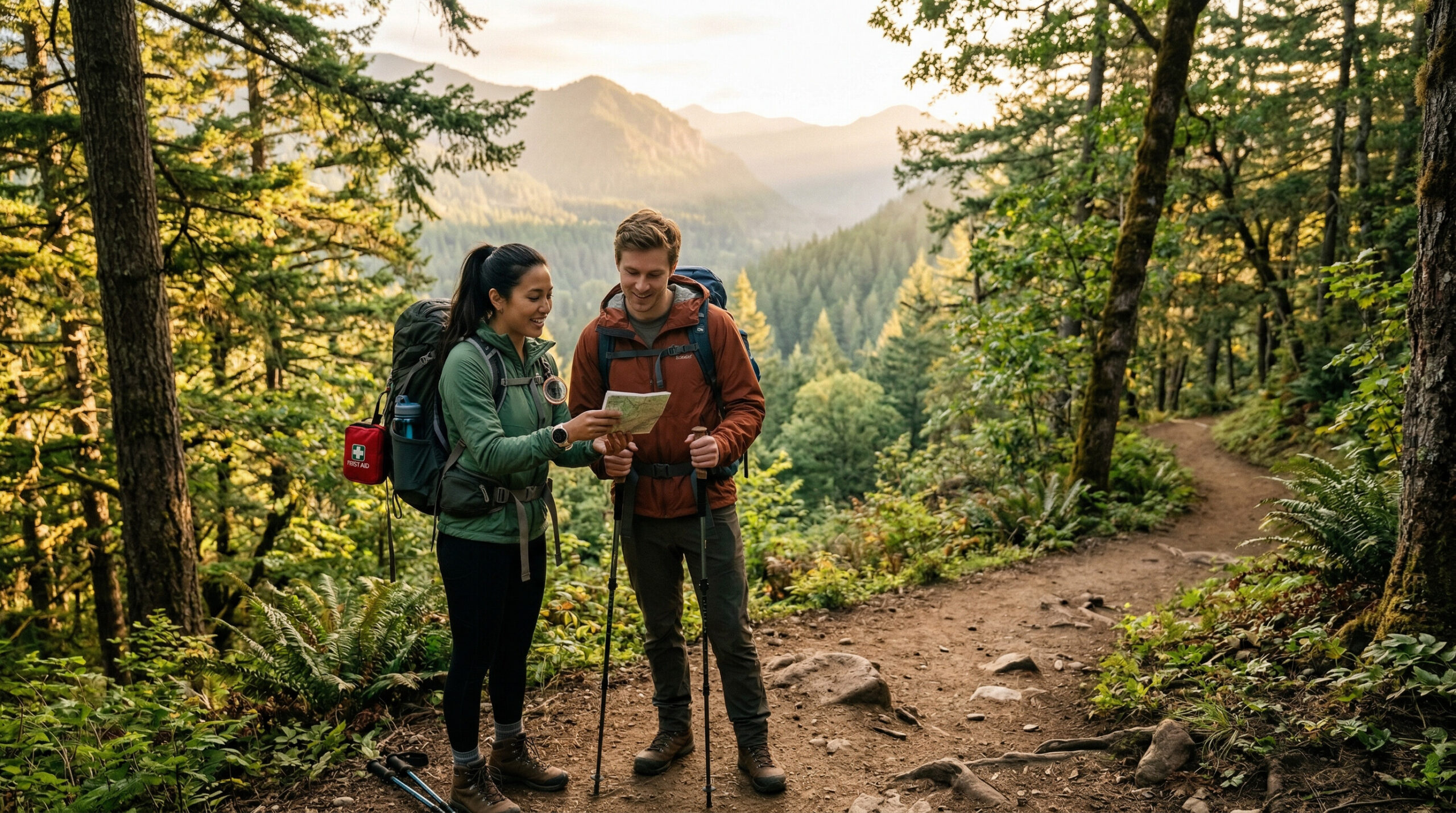
Spending time outdoors can be rewarding, but natural environments present risks that require preparation and awareness. Outdoor safety guidelines published by organizations such as the National Park Service emphasize that many incidents involving hikers, campers, and anglers can be reduced through planning, proper equipment, and knowledge of environmental conditions.
For beginners, understanding a few foundational safety practices can help reduce risk and improve the overall outdoor experience.
Plan Before You Go
Preparation is one of the most important safety steps before any outdoor activity. Planning includes researching the destination, checking local regulations, and reviewing weather conditions.
Many outdoor safety experts recommend:
- Reviewing maps of the area
- Understanding trail or water access points
- Notifying a trusted person about your trip plans
- Estimating how long the activity may take
Trip planning recommendations are commonly emphasized in safety guidance from agencies such as the National Park Service.
Check Weather Conditions
Weather conditions can change quickly in many outdoor environments. Rain, wind, temperature changes, and lightning storms can significantly affect safety.
Reliable forecasts can be obtained from the National Oceanic and Atmospheric Administration, which provides weather alerts and regional forecasts across the United States.
Before leaving for an outdoor activity, beginners are encouraged to:
- Review the forecast for the entire trip duration
- Prepare clothing layers for changing temperatures
- Avoid outdoor trips during severe weather warnings
For assistance in planning for the ever-changing weather, read How to Prepare for Weather Outdoors.
Carry Basic Safety Gear
Basic safety equipment can help address common outdoor challenges such as injuries, navigation issues, or unexpected delays.
Many outdoor education programs recommend carrying items such as:
- First aid supplies
- Flashlight or headlamp
- Extra food and water
- Navigation tools such as maps or GPS devices
- Extra clothing layers
A detailed breakdown of recommended safety equipment is covered in The 10 Essentials for Outdoor Safety.
Learn Basic Navigation Skills
Getting lost is a common concern for beginners exploring unfamiliar outdoor areas. Even well-marked trails or fishing areas can become confusing in poor weather or low visibility.
Basic navigation tools often include:
- Printed maps of the area
- Compass navigation
- GPS devices or smartphone navigation apps
Learning how to interpret maps and landmarks can help outdoor participants maintain awareness of their location.
If navigation becomes challenging, see What to Do If You Get Lost Outdoors.
Stay Aware of Your Surroundings
Situational awareness is an important outdoor safety habit. This means paying attention to environmental conditions and potential hazards.
Examples include:
- Changing weather conditions
- Wildlife activity
- Trail obstacles or unstable terrain
- Water levels in rivers or lakes
Organizations such as the Centers for Disease Control and Prevention note that awareness and preparation are key factors in preventing many outdoor injuries.
Respect Wildlife and Natural Environments
Outdoor environments often contain wildlife and fragile ecosystems. Maintaining safe distances and avoiding interference with animals helps prevent injuries and environmental damage.
The Leave No Trace Center for Outdoor Ethics promotes responsible outdoor behavior that includes:
- Observing wildlife from a distance
- Properly storing food and waste
- Staying on established trails and campsites
- Packing out all trash
These practices help protect natural environments while reducing safety risks.
Build Experience Gradually
Beginners often benefit from starting with short, accessible outdoor activities before attempting more remote or physically demanding trips.
Examples include:
- Short hiking trails in local parks
- Campgrounds with established facilities
- Public fishing areas with maintained access
Gradually increasing trip length and difficulty allows beginners to build outdoor skills safely.
You can explore some beginner-friendly activities in the Beginner Hiking Guide. For more, see the related guides below.
Related Beginner Outdoor Guides
Final Thoughts
Outdoor recreation offers opportunities to explore nature and develop practical skills, but preparation and awareness are important for safety. Planning trips carefully, monitoring weather conditions, carrying basic safety equipment, and respecting natural environments can help beginners reduce risks while enjoying outdoor activities.
With experience, many outdoor enthusiasts continue building skills that allow them to safely explore more challenging environments.
About the Author
Randy Hartman is the creator of OutdoorDaze, a website focused on practical outdoor education for beginners. His guides emphasize preparation, safety awareness, and realistic approaches to hiking, camping, fishing, and motorcycle touring.