

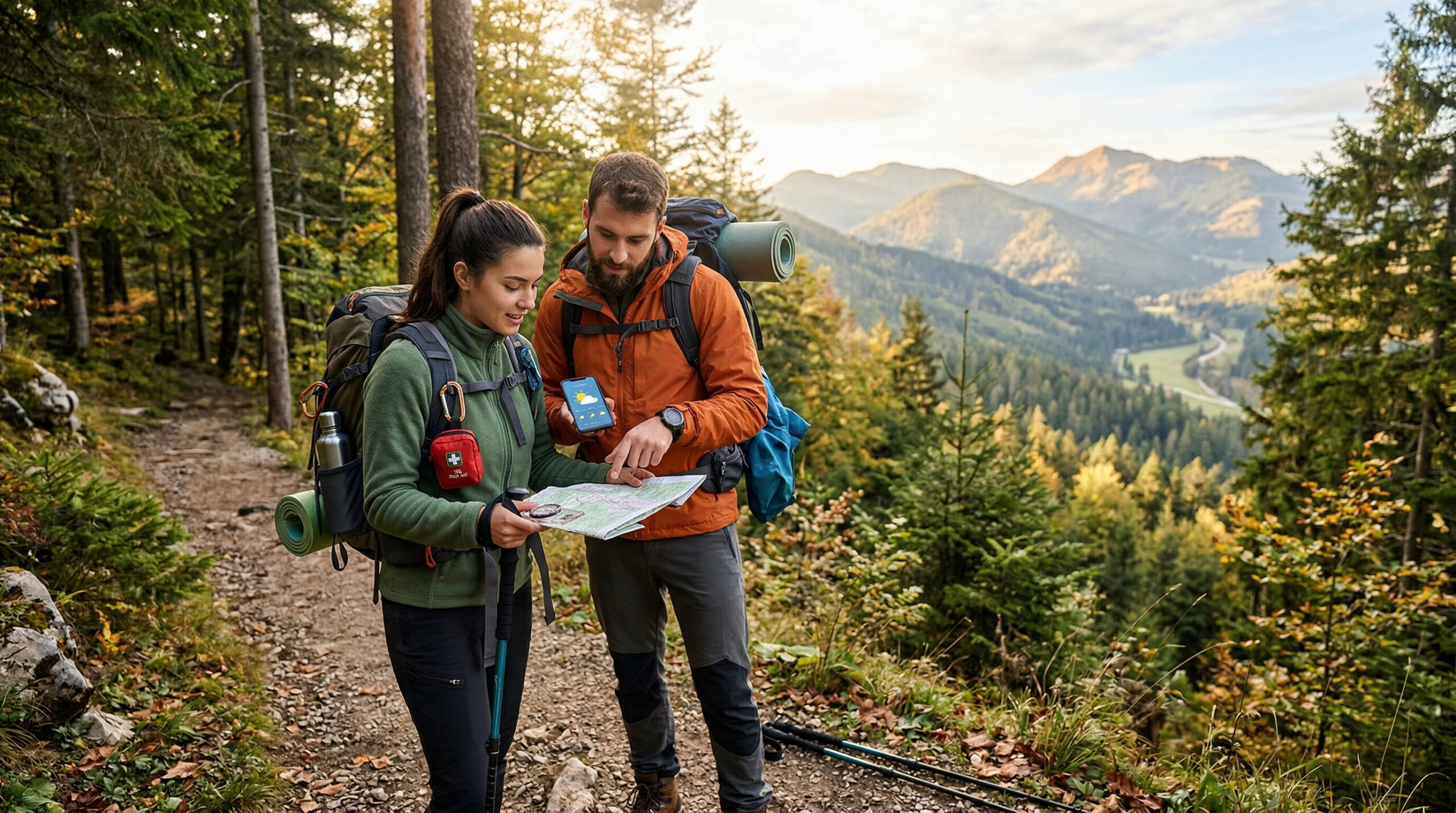
Outdoor weather can change rapidly, and even mild conditions can become dangerous without proper preparation. According to the National Oceanic and Atmospheric Administration, sudden temperature drops, thunderstorms, and extreme heat account for a significant number of outdoor-related injuries each year. For beginners, understanding weather patterns and planning ahead is key to staying safe while hiking, camping, or fishing.
This guide explains how to monitor the weather, prepare for different conditions, and adjust your gear and plans safely.
Step 1: Check the Forecast Before You Go
Before heading outdoors, consult reliable sources for accurate weather information:
- NOAA’s National Weather Service for local forecasts and alerts
- State park or local recreation websites for trail or water conditions
- Smartphone apps with offline weather maps
Check forecasts for:
- Temperature highs and lows
- Precipitation and storm warnings
- Wind speeds
- Humidity or heat index
Step 2: Dress in Layers
Layering clothing helps regulate body temperature and manage moisture. Experts recommend three main layers:
- Base layer – moisture-wicking fabrics that keep skin dry
- Insulating layer – fleece or synthetic insulation for warmth
- Outer layer – waterproof and windproof shell to protect from rain and wind
For full guidance on essential gear, see The 10 Essentials for Outdoor Safety.
Step 3: Protect Against Sun Exposure
Even on overcast days, UV rays can cause sunburn. Beginners should include:
- Sunscreen with SPF 30+
- Sunglasses with UV protection
- Hats or caps with brims
Step 4: Prepare for Rain and Wet Conditions
Wet conditions increase the risk of hypothermia, slips, and equipment damage. Beginners should:
- Pack a lightweight, waterproof rain jacket or poncho
- Store electronics and maps in waterproof bags
- Wear quick-drying clothing and footwear
Step 5: Monitor Temperature Extremes
Extreme cold and heat pose different risks:
- Cold weather: hypothermia, frostbite
- Hot weather: dehydration, heat exhaustion, heatstroke
Tips for beginners:
- Adjust clothing and activity level to match conditions
- Carry sufficient water and snacks
- Know the warning signs for heat- or cold-related illnesses
See Outdoor Safety Basics for Beginners for general safety tips related to extreme conditions.
Step 6: Plan for Storms and Lightning
Thunderstorms can be dangerous, especially on exposed ridges or near water. Safety recommendations:
- Avoid open fields, hilltops, and lone trees
- Seek shelter in a vehicle or sturdy structure
- Postpone trips if severe weather is forecast
Step 7: Adjust Your Gear and Supplies
Weather preparedness affects your equipment choices:
- Bring extra layers or a thermal blanket
- Pack rain covers for backpacks and tents
- Carry water purification options in case of emergency
Step 8: Practice Situational Awareness
Weather conditions can change rapidly. Beginners should:
- Observe cloud patterns, wind, and temperature changes
- Be ready to turn back or seek shelter if conditions worsen
- Communicate with others about your location and plans
Combine these practices with items from the Beginner Hiking Checklist or the Beginner Camping Essentials articles for comprehensive preparation.
Final Thoughts
Preparing for the weather is a critical part of safe outdoor recreation. Beginners who monitor forecasts, dress appropriately, carry essential gear, and stay aware of changing conditions can significantly reduce the risk of accidents and discomfort.
By practicing these habits, new outdoor enthusiasts build confidence and enjoy safer experiences in hiking, camping, and fishing environments.
About the Author
Randy Hartman is the creator of OutdoorDaze, a website focused on practical outdoor education for beginners. His guides emphasize preparation, safety awareness, and realistic approaches to hiking, camping, fishing, and motorcycle touring.