

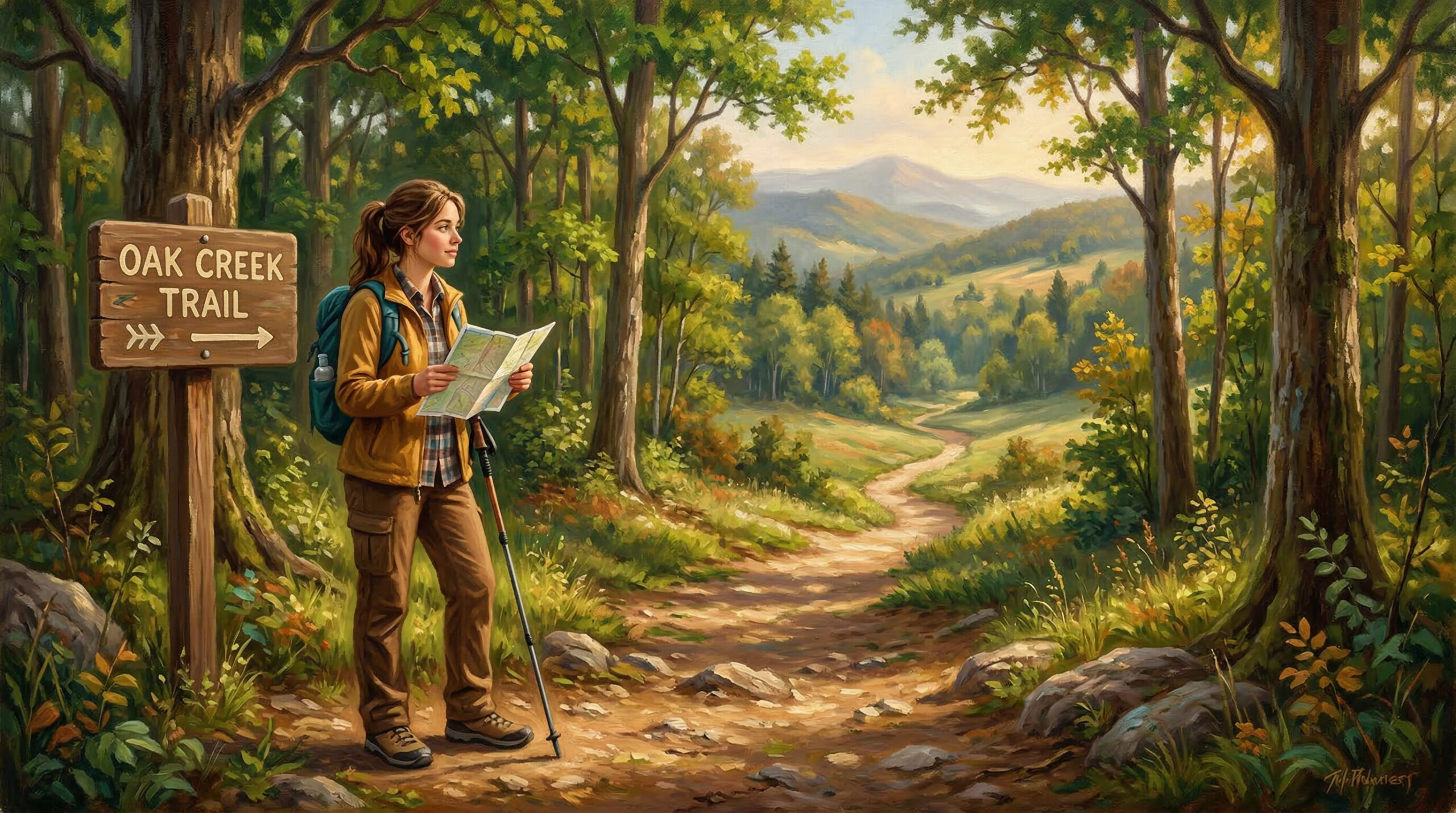
Hiking is one of the most accessible ways to explore the outdoors. Millions of Americans participate in hiking each year on public lands and trail systems across the country. According to participation reports from the Outdoor Industry Association, hiking consistently ranks among the most popular outdoor activities in the United States.
For beginners, the key to an enjoyable hiking experience is preparation. Choosing appropriate trails, carrying essential gear, and understanding basic safety practices can significantly reduce risk and improve comfort on the trail.
This guide introduces the fundamentals of hiking for beginners and connects you to detailed OutdoorDaze resources to help you start confidently.
What Beginners Should Know Before Hiking
Hiking may appear simple, but even short day hikes require basic preparation. Federal land agencies such as the National Park Service recommend researching trails, checking weather conditions, and carrying essential supplies before heading outdoors.
Important beginner considerations include:
- Trail distance and elevation gain
- Weather forecasts and seasonal conditions
- Navigation tools and trail maps
- Adequate water and food
Beginners who start with shorter hikes and gradually increase distance typically adapt more comfortably to outdoor conditions.
Essential Hiking Gear for Beginners
Having the right gear improves both safety and comfort on the trail. However, beginners do not need extensive equipment for most day hikes.
Common beginner hiking essentials include:
- Comfortable hiking shoes or boots
- A small daypack
- Water and snacks
- Weather-appropriate clothing
- Navigation tools such as maps or GPS
For a detailed breakdown of essential gear, read:
➡ Beginner Hiking Essentials: What You Actually Need
How to Choose Your First Hiking Trail
Selecting the right trail is one of the most important steps for beginner hikers. Trails vary significantly in distance, terrain, elevation gain, and difficulty.
Beginners often benefit from trails that offer:
- Distances under 4 miles
- Clearly marked paths
- Moderate or gradual elevation gain
- Well-maintained surfaces
Learning how to evaluate trail difficulty can help hikers choose routes that match their experience level.
➡ How to Choose Your First Hiking Trail: Beginner-Friendly Tips
What to Bring on a Day Hike
Many outdoor safety organizations recommend carrying essential supplies even on short hikes. These items are often based on the widely referenced “Ten Essentials” system used by search and rescue organizations and promoted by groups such as the Mountaineers.
Typical day-hiking supplies include:
- Navigation tools
- Extra food and water
- Sun protection
- Weather protection layers
- A basic first-aid kit
For a practical packing guide, see:
➡ Day Hiking Checklist: What to Bring for a Safe, Comfortable Hike
Hiking Safety for Beginners
Although hiking is generally safe, environmental hazards can occur, including weather changes, navigation errors, or physical fatigue.
Safety recommendations commonly provided by agencies such as the U.S. Forest Service include:
- Informing someone about your hiking plans
- Staying on established trails
- Monitoring weather forecasts
- Carrying emergency supplies
Learning these basic safety practices helps reduce risk and prepare hikers for unexpected conditions.
➡ Hiking Safety & Risk Management for Beginners
Common Beginner Hiking Mistakes
Many first-time hikers encounter challenges due to simple mistakes. These often include:
- Choosing trails that are too difficult
- Carrying too little water
- Wearing inappropriate footwear
- Underestimating weather changes
Recognizing these mistakes in advance can help beginners avoid common problems during early hikes.
Building Confidence as a New Hiker
The most effective way to gain hiking experience is to start with short, manageable trips and gradually explore longer or more challenging trails.
Many beginners begin with:
- Local nature trails
- state parks
- national recreation areas
- well-maintained park trails
Public lands managed by organizations such as the National Park Service and the U.S. Forest Service provide thousands of maintained trails suitable for beginners.
Related Beginner Hiking Resources
Explore these additional OutdoorDaze guides:
- Beginner Hiking Essentials: What You Actually Need
- Day Hiking Checklist: What to Bring for a Safe, Comfortable Hike
- Hiking Safety & Risk Management for Beginners
- How to Choose Your First Hiking Trail
These guides form the Beginner Hiking cluster on OutdoorDaze.
Final Thoughts
Hiking offers beginners a practical way to experience nature, improve physical activity, and explore public lands across the United States. With proper preparation, appropriate gear, and careful trail selection, beginners can develop outdoor skills while minimizing risk.
By using the resources in this guide and gradually building experience, new hikers can approach the outdoors with greater confidence and awareness.