

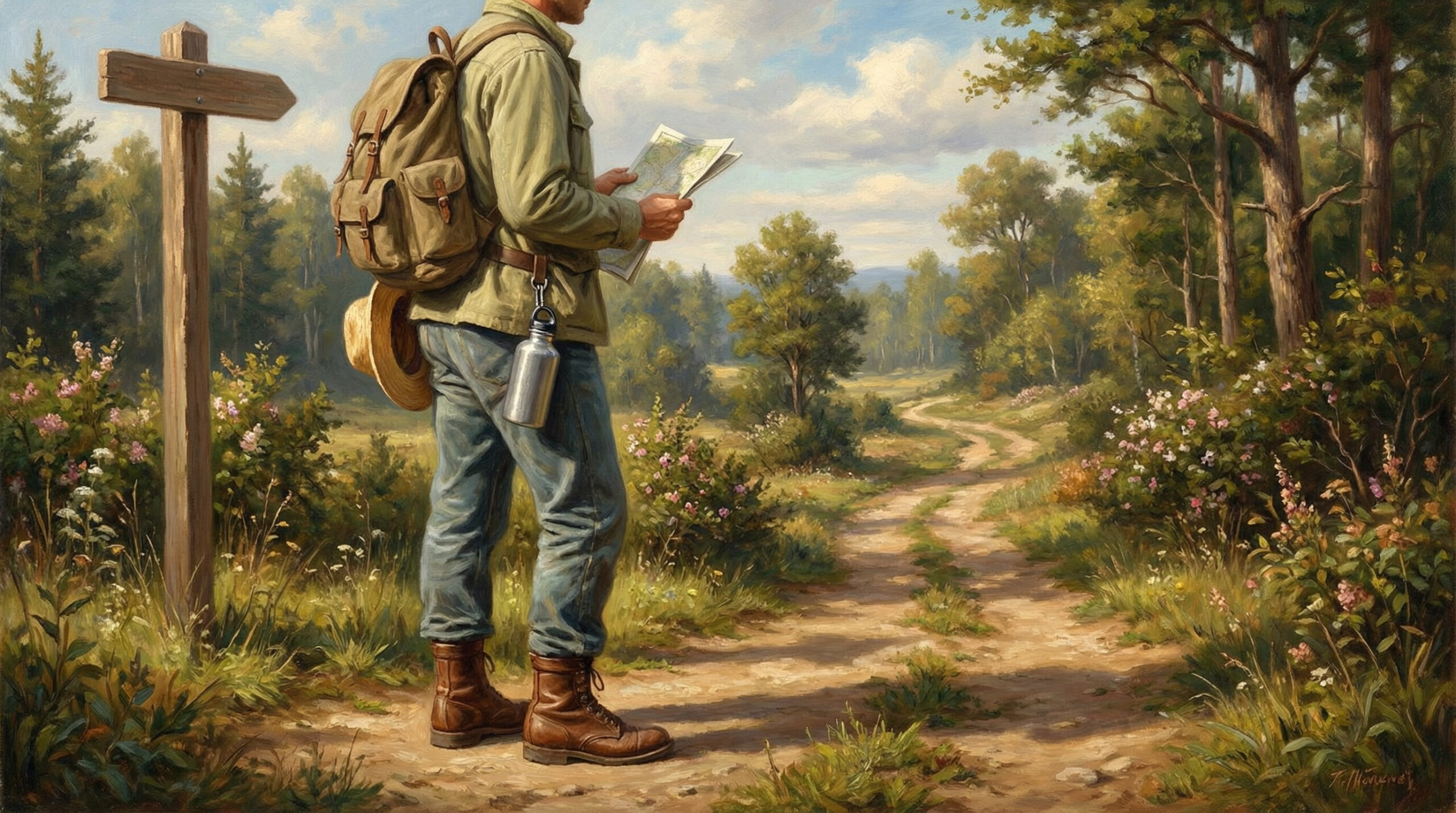
Hiking is one of the easiest ways to get outside, clear your head, and explore new places—but for beginners, it’s also easy to overthink. Gear lists online can feel overwhelming, and it’s common to either pack way too much or head out unprepared.
New to hiking? Start with the Beginner Hiking Guide to learn the basics before choosing your first trail.
What “Beginner Hiking Essentials” Really Means
Whether you’re tackling a short day hike or planning a longer trek, this guide covers the gear, safety tips, and planning strategies you actually need. You don’t need to overpack or overcomplicate your preparation—just focus on essentials and good trail habits to make every hike safe and enjoyable.
For beginners, hiking essentials fall into three categories:
- Comfort – so the hike is enjoyable, not miserable
- Safety – so small issues don’t become big problems
- Preparedness – so you can handle changes in weather, terrain, or time
You don’t need top-tier gear or ultralight setups. You just need gear that works.
1. Footwear: The Most Important Choice You’ll Make
Your feet do most of the work, so footwear matters more than any other piece of gear.
Hiking Shoes vs. Hiking Boots
- Hiking shoes or trail runners are ideal for beginners on established trails. They’re lighter, more flexible, and easier to break in.
- Hiking boots offer more ankle support and protection but aren’t required for most beginner hikes.
What matters most:
- Proper fit (no heel slip, no toe pressure)
- Good traction on dirt and rock
- Comfort out of the box
💡 Pro tip: Wear your hiking socks when trying on footwear, and break them in before your first long hike.
2. Clothing: Layers Beat Fashion Every Time
Hiking clothing doesn’t need to be complicated, but layers are essential.
The Basic Layer System
- Base layer: Moisture-wicking shirt (avoid cotton)
- Mid layer: Lightweight fleece or insulated layer for cooler temps
- Outer layer: Windbreaker or rain shell
Why Cotton Is a Problem
Cotton holds moisture. When it gets wet from sweat or rain, it dries slowly and can make you cold—even in mild weather.
Synthetic or wool fabrics dry faster and regulate temperature better.
If you’re new to hiking, starting with the right basics makes a big difference. Take a look at our beginner hiking gear essentials to simplify your setup and avoid overpacking.
3. A Daypack That Fits the Hike
You don’t need a huge backpack for day hiking.
Ideal Beginner Daypack Size
- 15–25 liters for most day hikes
Your pack should comfortably carry:
- Water
- Snacks or lunch
- Extra clothing
- Small safety items
Fit matters more than brand. A pack that sits comfortably on your shoulders and doesn’t bounce will make a big difference.
4. Water and Food: Non-Negotiable Essentials
Water
A general rule:
- At least 1 liter of water for every 2 hours of hiking
Bring more if:
- It’s hot
- The trail is exposed
- You’re unsure of water availability
Reusable water bottles or hydration bladders both work—use what you’ll actually drink from.
Food
Even short hikes deserve snacks:
- Trail mix
- Energy bars
- Jerky
- Fruit
Food isn’t just fuel—it helps maintain focus and energy.
Gear Tip:
Unsure what to bring on your first hike? We’ve put together a simple hiking essentials checklist that covers the basics without unnecessary extras.
5. Navigation: Know Where You’re Going
Even on popular trails, it’s important to know your route.
Beginner-Friendly Navigation Options
- Trail maps or signage
- Offline map apps on your phone
- A basic understanding of the trail length and elevation
Before you go, always know:
- Trail distance
- Elevation gain
- Estimated time
- Turnaround point
6. Safety Basics You Should Always Carry
You don’t need survival gear for every hike, but a few basics go a long way.
Essential Safety Items
- Sunscreen and lip balm
- Sunglasses or a hat
- Basic first-aid supplies
- Headlamp or flashlight (even for day hikes)
- Emergency contact info
These items don’t take up much space and can prevent minor problems from ending a trip early.
7. Weather Awareness and Timing
The weather can change quickly outdoors.
Before hiking:
- Check the forecast
- Know sunset times
- Plan to turn around earlier than you think
A simple rule:
Turn around when you still feel good—not when you’re exhausted.
If you plan to hike in colder seasons or stay out overnight, many of these layering principles also apply to cold-weather camping gear and safety basics.
Common Beginner Hiking Mistakes (And How to Avoid Them)
- Overpacking: Heavy packs make hiking harder than it needs to be
- Underestimating distance: Flat miles still add up
- Ignoring weather: Small changes matter outdoors
- Skipping water: Even short hikes require hydration
Learning these lessons early makes hiking far more enjoyable.
Final Thoughts: Start Simple, Build Confidence
Hiking doesn’t require expert knowledge or expensive gear. With the right essentials, you can safely enjoy local trails and gradually take on longer or more challenging hikes.
Start simple. Learn what works for you. And most importantly—get outside and enjoy the process.
Once you’re comfortable with the basics, you can fine-tune gear, explore new terrain, and make hiking a regular part of your outdoor life.
Ready to take the next step? Explore our Hiking Guides and Gear to build confidence and enjoy every mile on the trail.