

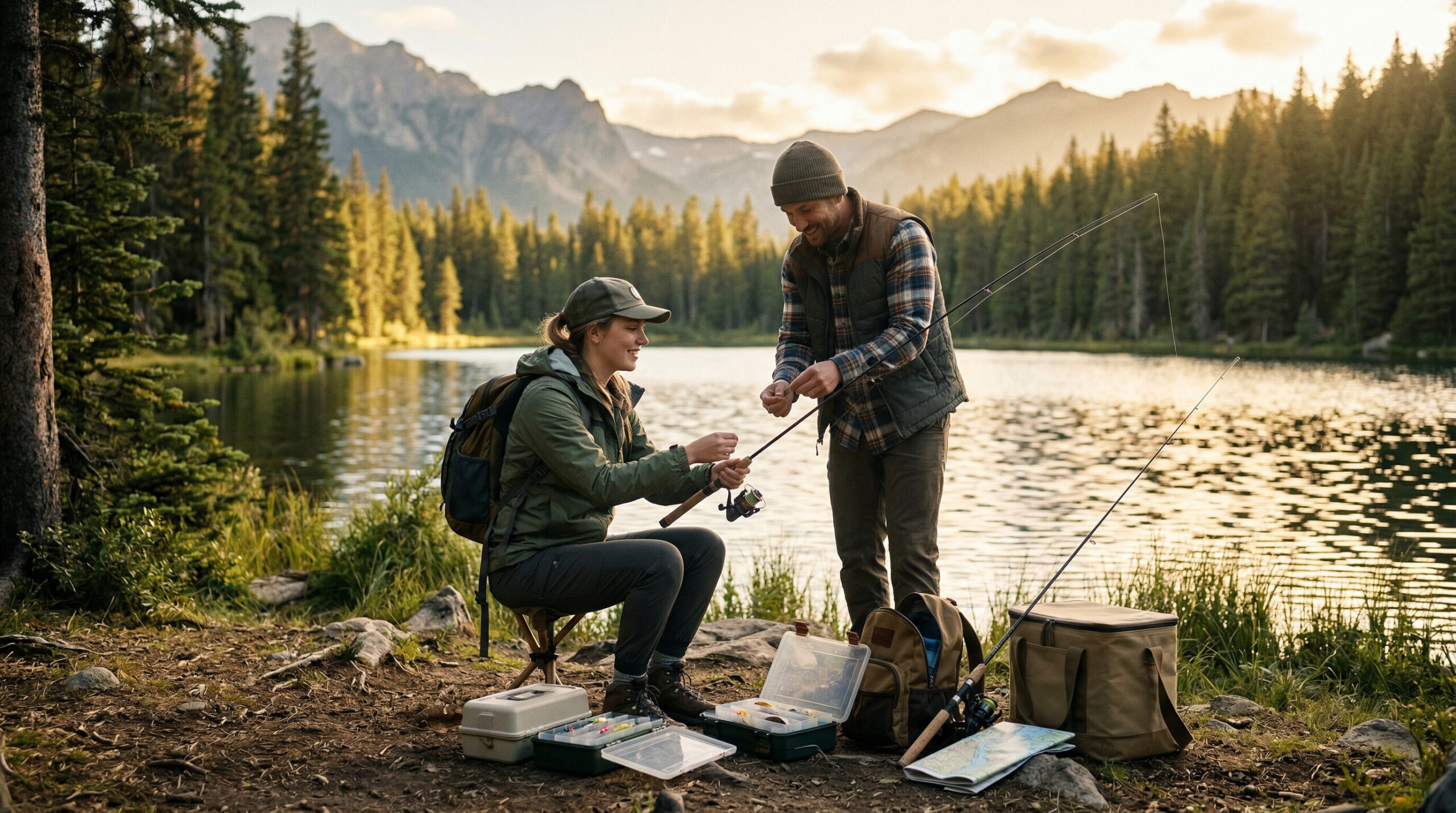
Fishing is one of the most accessible outdoor activities in the United States. According to the U.S. Fish and Wildlife Service, more than 50 million Americans participate in recreational fishing each year, making it one of the most popular outdoor hobbies.
For beginners, getting started does not require expensive equipment or specialized knowledge. With basic gear, a simple location, and a few fundamental techniques, new anglers can begin learning the basics of fishing.
This guide explains how to start fishing, what equipment beginners typically use, and how to find suitable fishing locations.
Step 1: Understand Fishing Regulations and Licensing
Before fishing in most U.S. waters, anglers are usually required to purchase a fishing license. Licensing requirements vary by state and help fund wildlife conservation and fisheries management.
Information about licensing, seasons, and catch limits can usually be found through state wildlife agencies or federal resources such as the U.S. Fish and Wildlife Service.
Regulations may include:
- Minimum fish size limits
- Daily catch limits
- Seasonal restrictions
- Protected species regulations
Checking local regulations helps protect fish populations and ensures anglers are fishing legally.
Step 2: Start With Basic Fishing Gear
Beginner anglers do not need complicated equipment to begin fishing. Many first-time anglers start with a simple spinning rod and reel setup, which is widely considered one of the easiest systems to learn.
Basic fishing gear typically includes:
- Spinning rod and reel
- Fishing line
- Hooks
- Sinkers or weights
- Bobbers or floats
- Live bait or artificial lures
For a full breakdown of equipment, see Beginner Fishing Gear: What You Actually Need.
Step 3: Choose Beginner-Friendly Fish Species
Some fish species are easier for beginners to catch because they are common and respond well to simple bait.
Examples often recommended by outdoor education programs include:
- Bluegill and other sunfish
- Crappie
- Perch
- Small bass species
Many of these fish are commonly found in lakes, ponds, and slow-moving rivers across North America.
Step 4: Learn Basic Fishing Techniques
Several simple techniques work well for beginners. One of the most common is bobber fishing, where bait is suspended below a float that signals when a fish bites.
Other beginner-friendly techniques include:
- Still fishing from shore
- Casting and retrieving simple lures
- Bottom fishing with bait
These techniques are often used by beginner anglers because they require minimal equipment and are easy to learn.
Step 5: Find a Good Beginner Fishing Location
Location plays a significant role in fishing success. Beginners often have better results starting at locations known for accessible fishing.
Common beginner-friendly fishing locations include:
- Public fishing piers
- Local lakes and ponds
- Designated fishing areas in parks
- Stocked community fishing lakes
Many states regularly stock fish in public waters to support recreational fishing programs. Information about stocked waters is often available through state wildlife agencies.
For more guidance, see How to Choose Your First Fishing Spot.
Step 6: Practice Responsible Fishing
Responsible fishing helps maintain healthy fish populations and protects aquatic ecosystems.
Outdoor organizations such as the American Sportfishing Association encourage anglers to practice conservation by:
- Following local regulations
- Properly releasing fish when practicing catch-and-release
- Disposing of fishing line responsibly
- Respecting wildlife habitats
These practices help ensure fishing remains sustainable for future anglers.
Step 7: Expect a Learning Curve
Fishing involves patience and practice. Beginners may not catch fish on every trip, and learning how fish behave in different environments can take time.
Factors that influence fishing success include:
- Weather conditions
- Water temperature
- Time of day
- Fish feeding patterns
With experience, anglers often develop a better understanding of these factors and improve their fishing techniques.
To assist in your learning process, read Common Beginner Fishing Mistakes.
Related Beginner Outdoor Guides
Final Thoughts
Fishing is a beginner-friendly outdoor activity that can be enjoyed in many locations with minimal equipment. By starting with basic gear, choosing accessible fishing locations, and learning simple techniques, new anglers can begin building practical fishing skills.
As experience grows, anglers often explore different fishing methods, environments, and species.
About the Author
Randy Hartman is the creator of OutdoorDaze, a website focused on practical outdoor education for beginners. His guides emphasize preparation, safety awareness, and realistic approaches to hiking, camping, fishing, and motorcycle touring.