

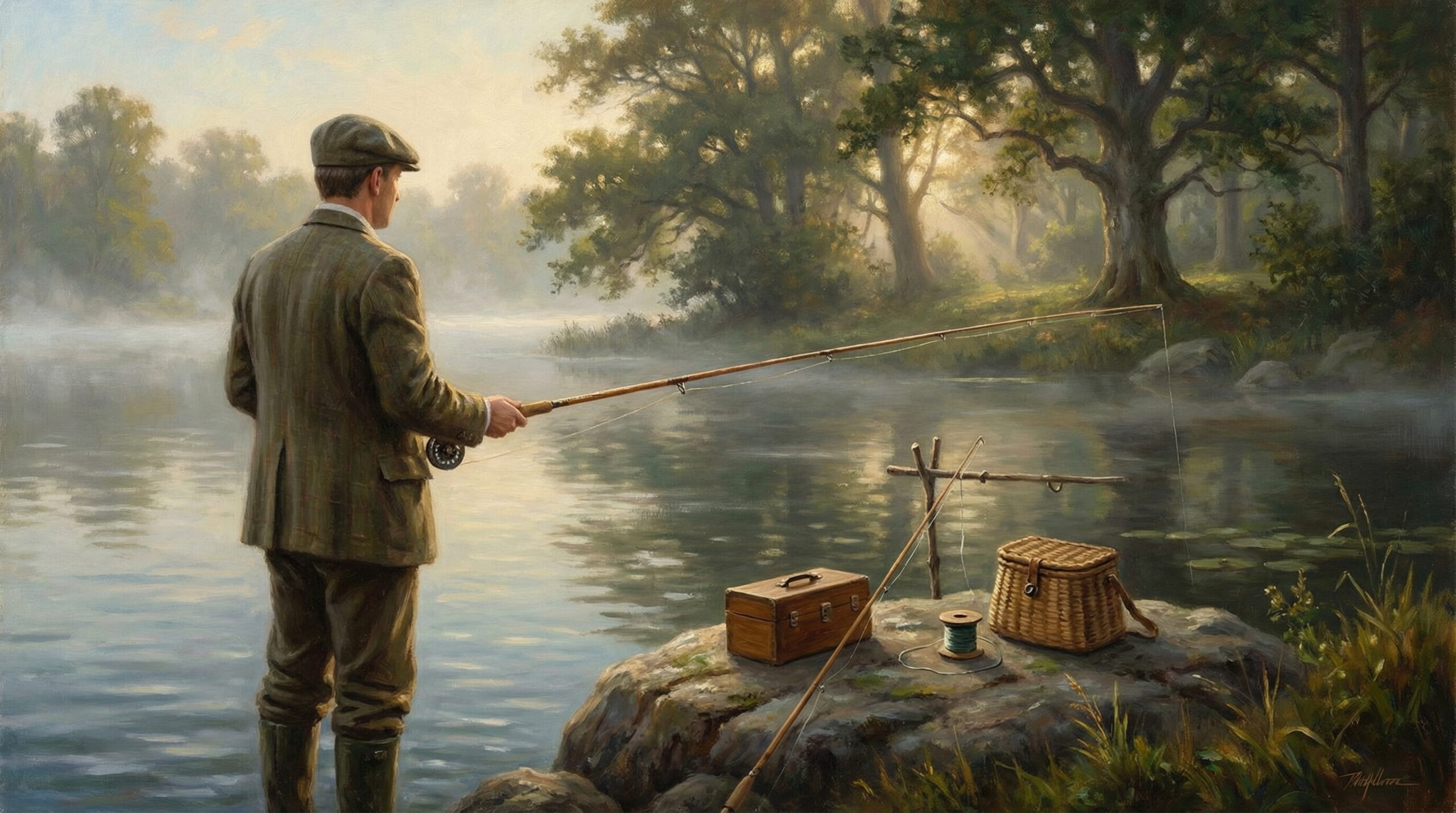
Fishing is one of the most accessible outdoor activities you can start—but it’s also easy to overcomplicate. Walk into any tackle shop, and you’ll see walls of rods, reels, lures, and accessories that make fishing feel far more technical than it needs to be. The truth is simple: you don’t need expert-level gear or years of experience to enjoy fishing. You need a basic setup, a little knowledge, and realistic expectations. This guide walks you through the essentials—what to bring, how to get started, and what actually matters on your first few trips.
Why Fishing Is a Great Beginner Outdoor Activity
Fishing offers something rare in the outdoors: flexibility.
- You can fish for an hour or an entire day
- You can go solo or with friends
- You don’t need peak physical fitness
- You can fish close to home or in remote locations
It’s also a skill that grows with you. Early on, fishing is about learning patience and basic technique. Over time, it becomes about reading water, understanding conditions, and refining your approach.
1. Fishing License & Regulations (Don’t Skip This)
Before you cast a line, make sure you’re legal.
Fishing License
In most places, you need a valid fishing license. These are usually inexpensive and can often be purchased online or at local outdoor retailers.
Local Regulations
Rules vary by location and species, including:
- Catch limits
- Size restrictions
- Seasonal closures
- Bait or lure restrictions
Checking regulations protects fish populations—and saves you from fines.
2. Essential Fishing Gear for Beginners
You don’t need much gear to start. Focus on reliability and simplicity.
Rod and Reel Combo
A spinning rod and reel combo is the best starting point for beginners.
Look for:
- Medium or medium-light power
- 6–7 feet in length
- Pre-spooled or easy-to-spool reel
Rod-and-reel combos are affordable, versatile, and forgiving while you learn.
Fishing Line
Monofilament line is ideal for beginners.
- Easy to handle
- Affordable
- Forgiving with knots
A line strength between 6–10 lb test works well for many freshwater species.
Hooks, Weights, and Bobbers
A small assortment is all you need:
- Size 6–10 hooks
- Split-shot weights
- A simple bobber or float
These basics cover a wide range of beginner fishing scenarios.
Bait or Lures
Live bait is often easier when starting.
Common beginner-friendly options:
- Worms
- Minnows (where legal)
- Prepared dough bait
If you prefer artificial lures:
- Small spinners
- Soft plastic worms
- Simple jigs
Stick to just a few options until you gain confidence.
Tackle Box or Small Bag
You don’t need a full tackle system. A compact box or sling bag is perfect for:
- Hooks
- Weights
- Extra line
- Small tools
Less gear = less frustration.
3. Basic Fishing Techniques You Should Know
You don’t need advanced techniques to catch fish, but a few fundamentals go a long way.
Casting
Focus on accuracy over distance. Practice smooth, controlled casts rather than trying to throw as far as possible.
Setting the Hook
When you feel a bite:
- Reel down to remove slack
- Lift the rod firmly but smoothly
Avoid jerking aggressively—this often pulls the hook free.
Reeling and Landing Fish
Let the rod do the work. Keep steady tension and guide the fish patiently.
4. Where to Fish as a Beginner
Start simple.
Beginner-Friendly Locations
- Small lakes or ponds
- Calm river banks
- Public fishing piers
These areas are easier to read and often stocked with fish.
Look for Fish-Holding Features
- Shallow areas near deeper water
- Structures like rocks, docks, or fallen trees
- Calm water near current breaks
Fish tend to conserve energy and stay near cover.
5. Best Times to Fish (Without Obsessing)
Fish are generally more active:
- Early morning
- Late afternoon or evening
- Overcast days
That said, beginners shouldn’t overthink timing. Consistent practice matters more than perfect conditions.
6. Safety and Comfort Essentials
Fishing is relaxing, but basic safety still matters.
Bring:
- Sun protection (hat, sunscreen)
- Weather-appropriate clothing
- Drinking water
- Needle-nose pliers (for hooks)
- Small first-aid kit
Comfort keeps fishing enjoyable—and helps you stay longer.
Common Beginner Mistakes to Avoid
Overbuying Gear
More gear doesn’t mean more fish. Start small and upgrade only when needed.
Constantly Changing Lures
Give each setup time to work. Switching too often prevents learning what’s effective.
Ignoring Line and Knots
Poor knots and damaged lines cause lost fish. Check your setup regularly.
Getting Discouraged Too Quickly
Fishing takes patience. Slow days happen—even to experienced anglers.
Like hiking, fishing rewards slowing down and reading conditions rather than rushing from spot to spot.
7. Catch and Release Basics (If You Practice It)
If you plan to release fish:
- Wet your hands before handling
- Minimize time out of water
- Use barbless hooks if possible
- Release the fish gently
Responsible handling keeps fisheries healthy.
8. How Fishing Grows With Experience
As you gain confidence, fishing becomes less about “catching something” and more about:
- Reading water
- Understanding fish behavior
- Choosing techniques intentionally
The learning curve is gradual—and that’s part of the appeal.
Final Thoughts: Keep It Simple
Fishing doesn’t need to be complicated to be rewarding. A basic setup, a good location, and a relaxed mindset are often enough. Focus on learning, not perfection, and let your skills grow naturally with time on the water.
If you’re starting, the most important step isn’t buying gear—it’s showing up and casting a line.
Whether you’re fishing from shore or camping overnight, staying comfortable and prepared outdoors makes the experience far more enjoyable.